Exploring Different Fish Species for the Ultimate Fly Fishing Experience

Fly fishing is often associated with trout, but the world of fly fishing offers much more variety than many anglers realize. If you want to expand your skills and enjoy new challenges, exploring different fish species can bring fresh excitement to your fishing trips. This post will guide you through some of the most rewarding species to target with a fly rod, along with tips on where and how to find them.
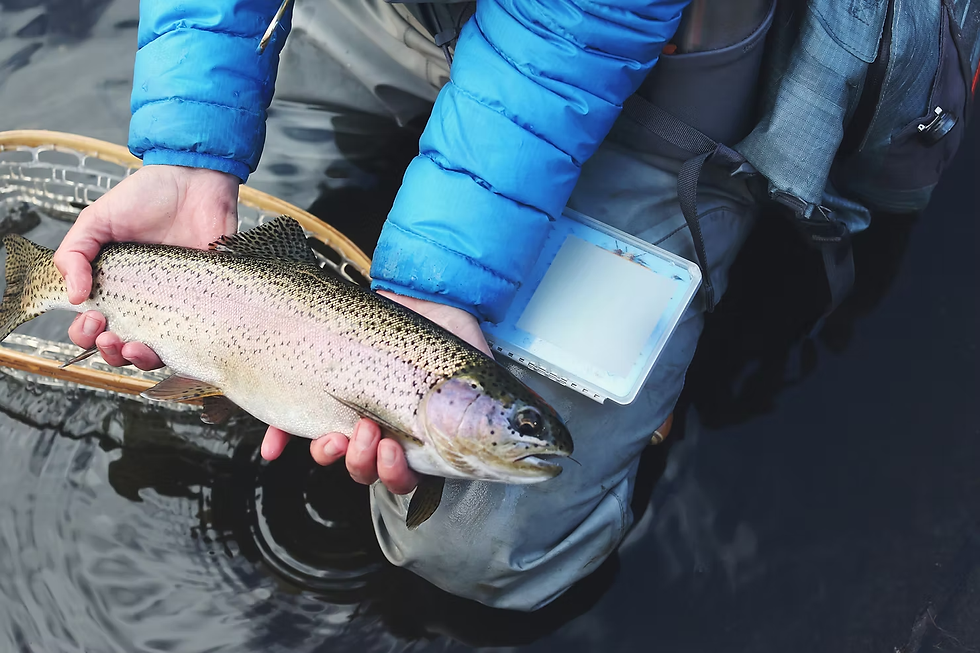
Trout and Salmon: The Classic Fly Fishing Targets
Trout remain the most popular species for fly fishing, especially in cold, clear streams and rivers. Species such as rainbow trout, brown trout, and brook trout present a range of challenges depending on their habitats and behaviors. Salmon, closely related to trout, provide a thrilling experience during their spawning runs.
Rainbow Trout: Found in North America, Europe, and New Zealand, rainbow trout are known for their fighting spirit. They thrive in cold, oxygen-rich waters.
Brown Trout: More cautious than rainbow trout, brown trout often require stealth and precise fly presentation.
Brook Trout: Native to eastern North America, brook trout prefer smaller streams and are prized for their vibrant colors.
Salmon: Species like Atlantic salmon and Pacific salmon offer seasonal fly fishing opportunities, often in larger rivers.
Fly patterns for these fish often imitate aquatic insects like mayflies, caddisflies, and stoneflies. Dry flies, nymphs, and streamers all have their place depending on the conditions.
Bass: A Different Challenge in Warmer Waters
Bass species, including largemouth and smallmouth bass, are popular targets for fly anglers in warmer freshwater environments. Unlike trout, bass are often found in lakes, ponds, and slow-moving rivers with plenty of cover.
Largemouth Bass: Known for their aggressive strikes, largemouth bass respond well to larger, colorful flies that imitate frogs, crayfish, or baitfish.
Smallmouth Bass: These fish prefer more transparent, calmer waters and often require more subtle presentations.
Bass fishing with a fly rod demands quick reflexes and the ability to cast into tight spaces near vegetation or submerged structures.
Panfish: Fun and Accessible for All Skill Levels
Panfish such as bluegill, crappie, and pumpkinseed offer excellent opportunities for beginners and those looking for a fun day on the water. These fish are abundant in many freshwater bodies and readily take small flies.
Bluegill: Common in ponds and lakes, bluegill are aggressive feeders and can be caught on tiny dry flies or nymphs.
Crappie: Often found near submerged trees or brush, crappie respond well to small streamers and wet flies.
Pumpkinseed: Known for their bright colors, pumpkinseeds are a joy to catch and provide good practice for fly casting.
Panfish are a great way to hone your skills before moving on to larger or more elusive species.

Saltwater Species: Expanding Fly Fishing Horizons
Fly fishing is not limited to freshwater. Many saltwater species offer exciting challenges for anglers willing to explore coastal waters, flats, and estuaries.
Bonefish: Known as the "ghost of the flats," bonefish are prized for their speed and power. They inhabit shallow tropical flats and require stealthy approaches.
Permit: Another flatfish species; permits are strong fighters and often require precise casting to avoid spooking them.
Tarpon: These large, silver fish are famous for spectacular jumps and runs. Tarpon fishing demands heavy tackle and strong gear.
Striped Bass: Found along the Atlantic coast, striped bass can be caught on fly in both freshwater and saltwater environments.
Saltwater fly fishing often involves different gear and techniques, such as heavier rods, specialized flies, and wading in salt flats or surf zones.
Warmwater Game Fish: Exploring New Fly Fishing Frontiers
Beyond bass and panfish, several other warmwater species respond well to fly fishing. These fish often inhabit rivers, lakes, and reservoirs with warmer temperatures.
Pike and Muskie: These large, aggressive predators require large streamers and strong tackle. They offer thrilling battles but demand careful handling.
Carp: Once considered a nuisance, carp have become popular targets for fly anglers due to their size and challenging behavior.
Catfish: Though less common on fly, catfish can be caught using large, bait-like flies near the bottom of rivers or lakes.
Targeting these species can broaden your fly fishing experience and introduce you to new environments and techniques.

Tips for Targeting Different Species with a Fly Rod
Each species requires specific tactics, gear, and flies. Here are some practical tips to help you succeed:
Research Local Habitats: Understanding where your target species lives and feeds is crucial. Talk to local guides or anglers.
Match the Hatch: Use flies that imitate the natural prey of the fish in your area.
Adjust Gear: Use appropriate rod weight and line for the size and strength of the fish.
Practice Presentation: Different species respond to different fly presentations, such as dry fly drifting, nymphing, or stripping streamers.
Respect Regulations: Follow local fishing laws and practice catch-and-release when appropriate to protect fish populations.
Exploring new species can improve your skills and deepen your appreciation for fly fishing.


Comments